
|
The penal institutions of Council of Europe member states housed over 1.4 million inmates in 2021, with a median age of 36 (Aebi et al., 2022, 2021). These individuals, most of whom will eventually be released, face a significant risk of reoffending and further criminalization without proper support to accumulate meaningful life experiences, particularly young offenders, who are especially vulnerable to reoffending (McNeill, 2020).
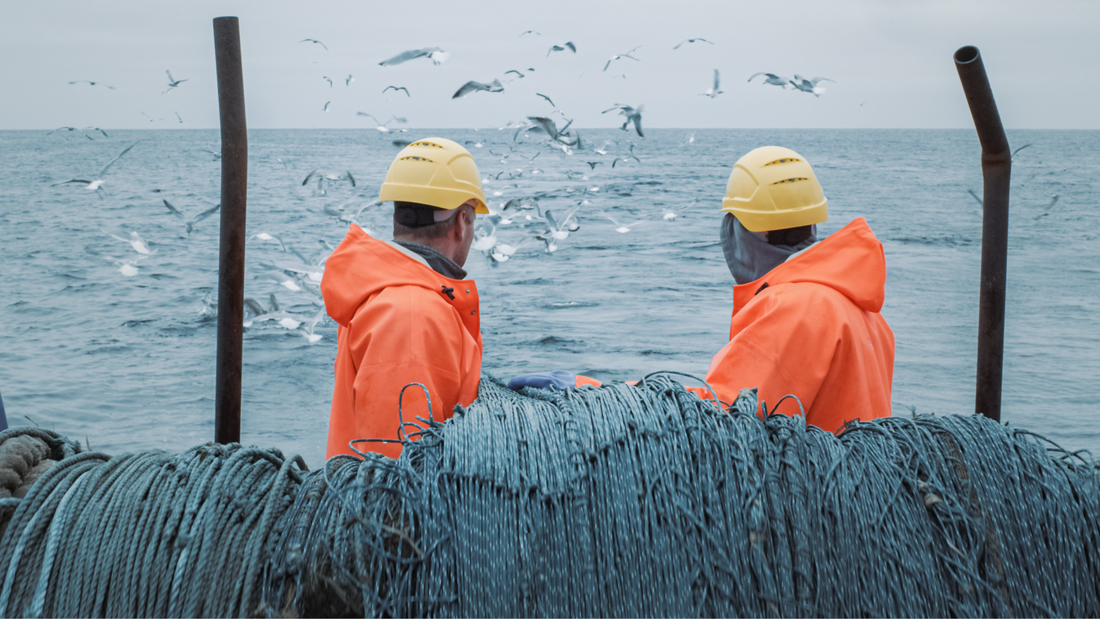
Besides driving considerable socio-economical growth, Blue Economy also fosters environmental sustainability and contributes to achieving the European green deal’s objectives. It is a thriving sector, employing approximately 4.45 million people and generating substantial turnover and value added (Aebi et al., 2022). The maritime workforce is facing new challenges, through shifts in employment and an ageing labour force, enforcing the need for attracting and retaining new talents. Therefore, it offers excellent opportunities for former or young offenders and for a successful reintegration into society. |
MISSION
|
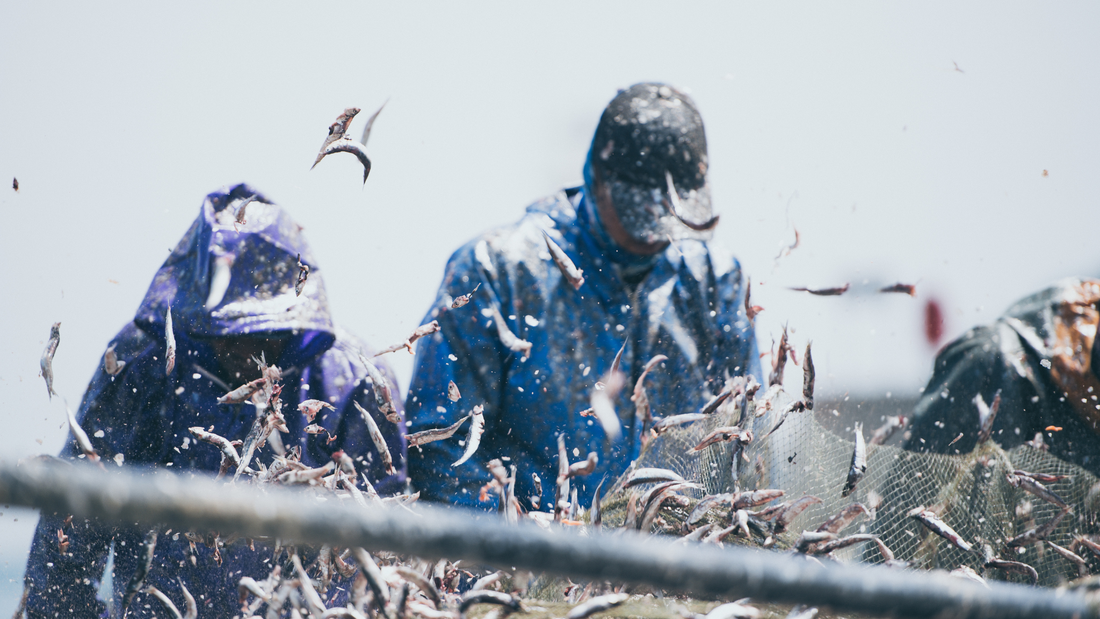
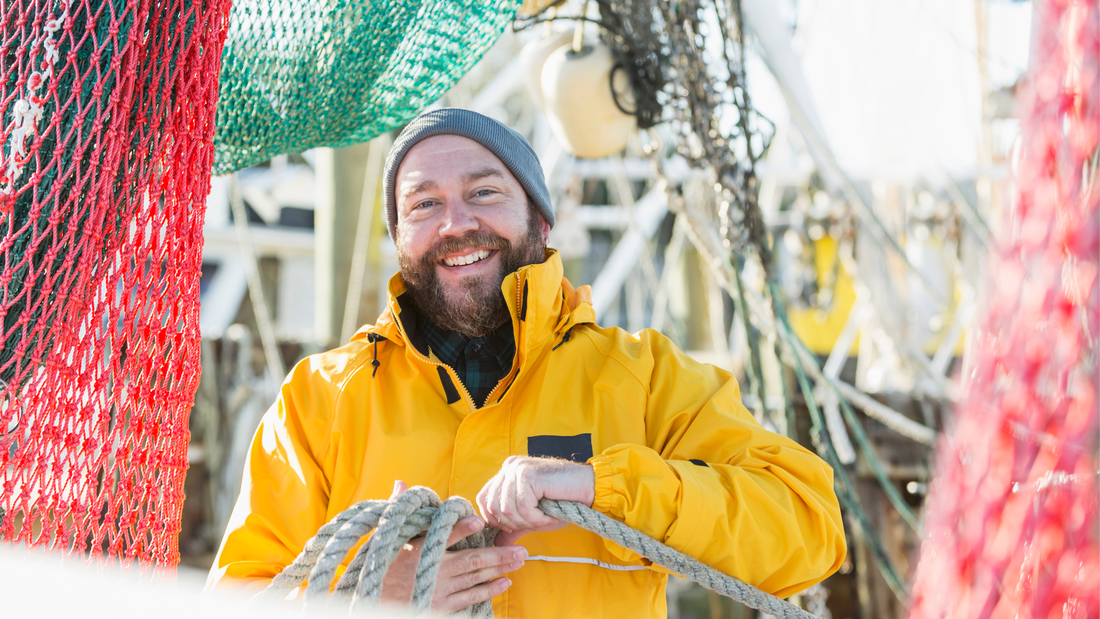
The overall aim of ‘Turning Blue’ project is to create new cooperation mechanisms and training materials on sustainable blue economy to inspire and engage disadvantaged young people serving time in prison to pursue a sustainable ‘blue career’ in one of the Blue Economy sectors. Turning Blue promotes ’blue careers’ awareness and attractiveness among highly vulnerable and disadvantaged young people, in an attempt to attract and retain new talent to the sector. It will also contribute to upskilling young people with less opportunities, and to enhancing their access to new career opportunities.
|
Turning Blue will ensure that the blue economy sectors are playing a key role supporting disadvantaged young people’s transition to autonomy and working life.
Through this end, Turning Blue will create conditions to reach inclusive and sustainable growth in the blue economy sectors, and it will ensure that these Young Europeans’ transition is accompanied by the development and implementation of innovative youth policies, as well as new ideas for youth work that are adaptable to individual needs and to local contexts. |
MAIN GOALS
|
|
|
|
|

|
This website has been accomplished during the project " Turning Blue - Integrating young offenders through the blue economy", project no 101124686, funded by the European Union. Views and opinions expressed are however those of the author(s) only and do not necessarily reflect those of the European Union or the European Climate, Infrastructure and Environment Executive Agency (CINEA). Neither the European Union nor the granting authority can be held responsible for them.
|